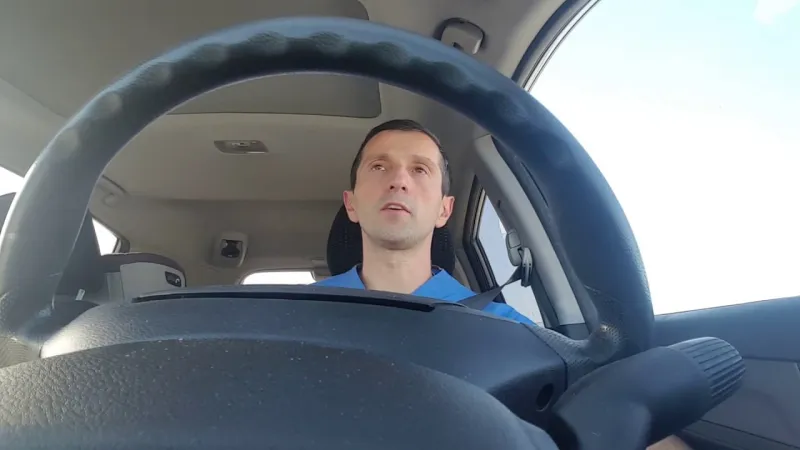
Long Drive, Bigger Gains: The Athlete's Case for Embracing the Extended Commute

Photo by Photo by Zest Tea on Unsplash on Unsplash
Here's a take that'll make your training partner do a double-take: athletes with longer commutes might actually have a structural advantage over the folks who live five minutes from the gym. Yeah, we said it. Before you scroll away, hear us out — because the data and the logic behind this idea are genuinely compelling.
The standard narrative goes something like this: every minute in the car is a minute stolen from recovery, sleep, or training. And sure, if you're white-knuckling it through stop-and-go traffic with your cortisol spiking, that's probably true. But if you're strategic about it? That 45-to-90-minute daily drive becomes a tool — one that most athletes aren't using.
The Mental Reset Nobody Talks About
Here's the thing about elite performance that doesn't get enough airtime: your brain needs transition time. Going from work mode to training mode isn't a flip you switch in the parking lot. It's a ramp. And longer commutes give you a longer ramp.
Research on psychological detachment from work stress — the kind of mental unwinding that lets you actually focus in the gym — consistently shows that it takes time and deliberate effort. Short commuters often walk into their sessions still mentally grinding on a deadline or a difficult conversation. Athletes with longer drives, on the other hand, have the runway to decompress, mentally rehearse their session, and arrive with genuine intention.
Try this: use the first 15 minutes of your drive to process whatever the workday threw at you. Let it run. Then consciously shift — throw on a training playlist, run through your session in your head, visualize the movements. By the time you pull into the gym parking lot, your nervous system is primed, not frazzled.
Strategic Meal Timing: Your Dashboard as a Nutrition Station
One of the biggest performance levers most athletes fumble is pre-workout nutrition timing. The general sweet spot for a solid pre-training meal sits somewhere between 60 and 90 minutes before your session. For a lot of people with short commutes, that window is awkward — eat at work, feel bloated, or rush a snack in the locker room.
A longer commute actually solves this problem naturally. If you're leaving the office at 5:30 PM with a 50-minute drive and a 6:30 PM training session, you've got a built-in nutrition window that most athletes would engineer if they could.
Keep it practical. A small cooler bag or insulated pouch in your passenger seat can hold a solid pre-workout meal — something like rice cakes with almond butter, a banana, or a homemade protein bar. You're not eating a full sit-down dinner; you're fueling with precision. The commute gives you the time gap to digest without forcing you to eat at your desk or rush the process.
For the supplement crowd, this is also where your stack timing gets dialed in. If you're running creatine, beta-alanine, or a pre-workout, the drive gives you a structured trigger point. Popped your pre-workout 20 minutes before you left? By the time you're parking, it's hitting. That's not luck — that's logistics.
The Cortisol Curve and Why Timing Is Everything
Here's a physiological reality that most gym-goers ignore: cortisol, your body's primary stress hormone, follows a daily curve. It peaks in the morning, drops through the day, and ideally sits at a relatively low level by the time you're training in the evening. Stress — including commute stress — can spike it back up.
But here's the flip side. Moderate, manageable mental activity during a commute — the kind you get when traffic is moving and you're in control — doesn't spike cortisol the way an aggressive, unpredictable drive does. When you've got the right setup (comfortable seat position, good audio, controlled environment), a longer drive can actually serve as active downregulation.
Think of it like a long warm-up walk. Your body isn't idle, but it's not taxed. That mild activation primes your sympathetic nervous system just enough without burning through the reserves you need under the bar or on the track.
Building Your Commute-to-Training Protocol
If you're driving 45 minutes or more daily, here's a framework worth testing for four weeks:
Minutes 0–15: Decompress. No podcast, no hype music. Let your brain process the day. Silence or ambient sound works well here.
Minutes 15–30: Fuel up. Eat your pre-workout meal if you haven't already. Take any supplements that need a 30-to-45-minute runway.
Minutes 30–45+: Prime. Switch to your training playlist. Run your session mentally — sets, weights, cues. Arrive with a plan, not a vague intention.
This isn't complicated. It's a protocol, and protocols beat willpower every single time.
Stop Mourning the Commute
The athletes who consistently outperform their peers aren't always the ones with the most gym time. They're the ones who treat every recoverable hour as an asset. Your commute isn't dead time — it's the connective tissue between your life and your performance.
Longer drive? More connective tissue. More runway. More opportunity to show up right.
Next time someone complains about your commute, just smile. You've got 50 minutes of structured mental prep, precision nutrition timing, and nervous system regulation they're skipping entirely. That's not a disadvantage. That's an edge.