Dead Time No More: How to Turn Your Morning Commute Into Active Recovery
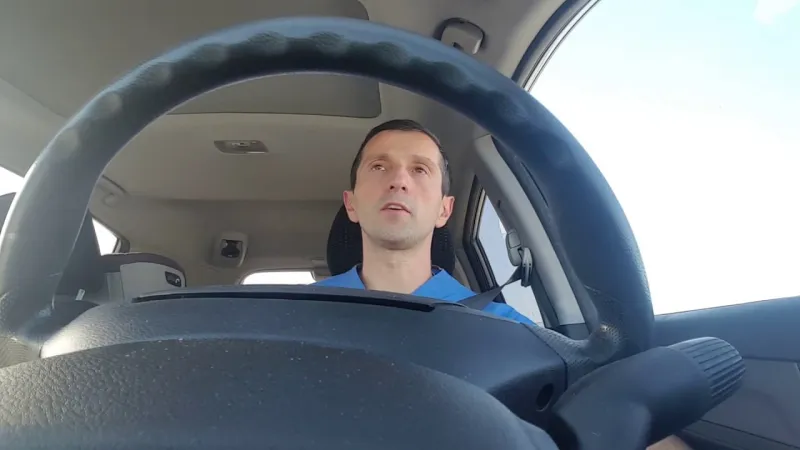
Photo: person doing breathing exercise in car during commute morning light, via i.ytimg.com
Let's be honest — most of us spend somewhere between 30 minutes and an hour in the car every single day, and we do absolutely nothing with it. Coffee in one hand, podcast in the other, just grinding through traffic until we get where we're going. But if you're someone who takes training seriously, that's a significant chunk of time you could be putting to work.
We're not talking about doing burpees at a red light. We're talking about smart, low-intensity, safety-first techniques that layer right on top of your existing training program. Think of your commute as bonus recovery time — a mobile session that keeps blood moving, loosens tight muscles, and sets your nervous system up for whatever's coming next.
Why the Commute Is Actually Prime Recovery Real Estate
Recovery isn't just sleep and ice baths. Active recovery — the kind where you're doing light, deliberate movement to flush out soreness and restore range of motion — is one of the most underutilized tools in any athlete's playbook. And the science backs it up.
Low-intensity movement increases blood flow to fatigued muscle tissue, accelerating the removal of metabolic waste like lactate. It also keeps your parasympathetic nervous system engaged, which is exactly where you want to be between hard training blocks. The commute, believe it or not, hits all those marks — as long as you approach it intentionally.
The key is keeping everything at a level that never, ever pulls your attention away from driving. Everything here is eyes-on-road, hands-ready-to-steer approved.
Isometric Holds: The Invisible Workout
Isometric exercises are the perfect commute tool because they involve no movement — just muscle tension held against resistance. They're completely invisible to anyone watching and require zero equipment.
Core bracing is the big one. Sit tall, pull your belly button toward your spine, and brace like you're about to take a punch. Hold for 10 seconds, release, repeat. Do this 10 times and you've just done a solid core activation set without moving an inch. Research from the Journal of Strength and Conditioning Research has shown that consistent isometric core training improves both stability and posture — two things that suffer massively from long hours in a car seat.
Glute activation is another commute-friendly move. Simply squeeze both glutes hard for 10 seconds, release, and repeat. Sitting compresses the glutes and shuts them off neurologically over time — a phenomenon trainers call "gluteal amnesia." Waking them up during your drive keeps the mind-muscle connection sharp and reduces the low-back tension that builds up on long commutes.
Shoulder blade squeezes work great at a red light. Pull your shoulder blades together and hold for five to eight seconds. This counteracts the forward-rounded posture that steering wheels quietly encourage.
Breathwork: Your Nervous System's Reset Button
If you've been training hard, your sympathetic nervous system — the fight-or-flight side — is probably running hot. Structured breathwork during your commute is one of the fastest ways to flip the switch toward parasympathetic dominance, which is where real recovery happens.
Box breathing is simple and proven. Inhale for four counts, hold for four, exhale for four, hold for four. Repeat for a few minutes. Navy SEALs use it to calm under pressure; athletes use it to accelerate recovery between sessions. It costs nothing and works surprisingly fast.
For something a little more targeted, try the 4-7-8 method — inhale for four counts, hold for seven, exhale slowly for eight. The extended exhale activates the vagus nerve, directly stimulating your body's rest-and-digest response. Do this during a longer stretch of highway driving when your mental load is lower.
Just make sure you're never doing breathwork that makes you lightheaded. If you feel dizzy at any point, stop immediately and breathe normally.
Grip Strength Training: Small Muscles, Big Payoff
Grip strength is one of the most predictive markers of overall health and athletic longevity — studies have linked stronger grip to lower cardiovascular risk and better performance across nearly every sport. And the steering wheel is basically a grip trainer you're already holding.
Keep a soft resistance ball or grip trainer in the center console. At a red light or in slow-moving traffic, work through a few sets of squeezes. Alternate hands, vary your grip position, and focus on the full squeeze-and-release cycle rather than just clenching.
You can also practice controlled steering wheel resistance — gently pressing your hands outward against the wheel while driving straight, as if trying to pull it apart. This activates the forearms and upper back without creating any actual movement. Hold for five seconds, release, and repeat.
Building It Into Your Routine
The trick to making commute fitness actually work is treating it like a real training block — not something you'll "try to remember." Build a loose structure for your drive. Maybe the first five minutes are breathwork to transition out of sleep mode. The middle portion is your isometric core and glute work. The last stretch before you park is grip training and shoulder activation.
Over a five-day workweek, that's five hours of intentional recovery work you weren't doing before. For serious athletes stacking heavy training volume, that extra active recovery can make a real difference in how fast you bounce back.
Your car isn't just a vehicle. On AutoFit, we believe it's part of your performance setup — and your commute is part of your training week. Time to start treating it that way.