Roll, Compress, Cool: The In-Car Recovery Tech Setup Every Serious Athlete Needs
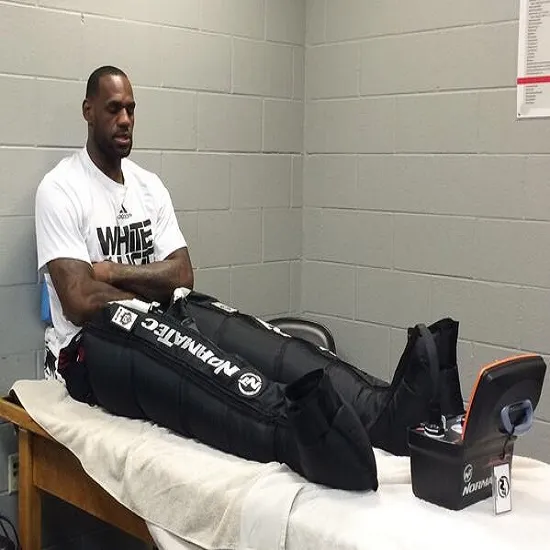
Photo: athlete using compression boots recovery in SUV cargo area after workout, via spectralbody.com
There's a moment every serious athlete knows well. You've just finished a brutal training session — legs are cooked, shoulders are tight, and you've got a 45-minute drive home before you can even think about the foam roller. By the time you walk through your front door, the window for optimal recovery has already started closing.
What if the drive home was part of the recovery?
That's not a hypothetical anymore. A growing number of athletes — from weekend warriors to competitive CrossFitters and endurance runners — are building out their vehicles with portable recovery tech that turns the back seat or cargo area into a mobile wellness station. And the gear has gotten good enough that it actually works.
Here's a breakdown of what's worth your money, what's worth your trunk space, and how to set it all up without turning your daily driver into a rolling medical supply closet.
Why In-Car Recovery Actually Makes Sense
Recovery timing matters. The 30-to-60-minute window after intense training is when your body is most primed to absorb nutrients, reduce inflammation, and begin tissue repair. For a lot of athletes, that window lines up almost exactly with the drive home from the gym, the trail, or the track.
Most people waste it scrolling their phone at a red light. The smarter play is having the right tools already loaded in your vehicle so you can start working the moment you buckle in — or better yet, while a passenger handles the driving on a longer trip.
The other scenario where in-car recovery really shines? Road trips between training blocks. If you're driving to a competition, a race, or a weekend sports camp, the hours in transit are prime time to manage soreness and prep your body for what's ahead.
Compression Gear: The Anchor of Any Mobile Recovery Setup
Portable compression devices have become the backbone of athlete recovery, and the technology has scaled down dramatically over the past few years. Units like the Normatec 3 Legs (by Hyperice) and the Air Relax system are compact enough to store in a duffel bag and run off a standard car power inverter or USB-C power bank.
The setup is simple: plug in, slip on the sleeves or boots, and let sequential pneumatic compression push blood back up through your legs. A 20-minute session during a longer drive can meaningfully reduce muscle soreness and swelling — particularly useful after lower-body training days.
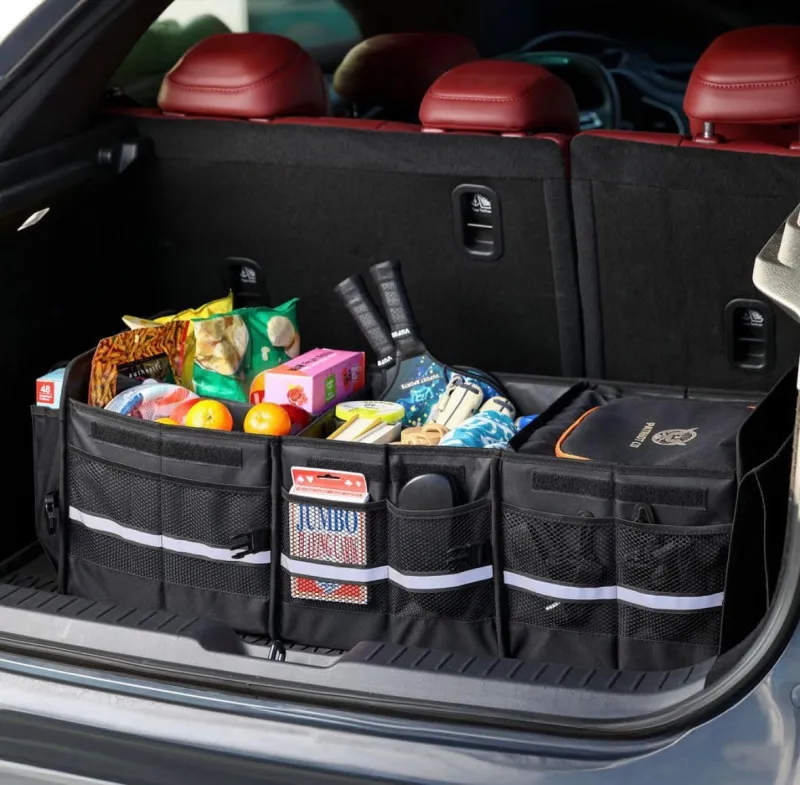
For storage, a rectangular bin in your cargo area keeps the unit and its tubes organized and accessible. If you're driving a truck or SUV, the rear seat floor area works perfectly for running a session while a training partner drives.
DIY hack: Can't justify the price of a full pneumatic system right now? Graduated compression socks worn during the drive provide a lower-tech but still effective version of the same concept. Brands like CEP and 2XU make sport-grade options that actually fit most shoe sizes without feeling like you're wrapping your feet in a blood pressure cuff.
Cooling Systems: Temperature Recovery on the Road
Cold therapy is one of the most well-documented recovery tools available — and yes, you can bring it in the car. The most practical solution is a 12-volt portable cooler like the ones made by BougeRV or Iceco. These plug directly into your vehicle's 12V outlet or cigarette lighter port and maintain temperatures as low as 32°F.
Load it with ice packs, cooling towels, or even pre-chilled compression wraps. After a summer run or a hard outdoor workout, having cold therapy ready the moment you hit the driver's seat is a genuine game-changer. Throw a cooling towel across the back of your neck during the drive and your core temperature drops fast.
For athletes who are serious about cold exposure, some are even experimenting with portable cold plunge setups at their destination — driving to a campsite or open water spot and building the cold plunge into the trip itself. It's a bit more involved, but the community around it (especially in outdoor-focused states like Colorado, Oregon, and Montana) is growing fast.
Pro tip: A basic soft-sided cooler with a few reusable ice packs takes up almost no trunk space and gets you 80% of the benefit at a fraction of the cost. Don't overthink it.
Percussion Massage: The Tool That Fits Anywhere
Percussion therapy devices — think Theragun, Hypervolt, or the more budget-friendly options from Ekrin and Achedaway — have become small enough to live in a gym bag permanently. Most athletes already own one. The problem is they leave it at home.
Move it to the car. Seriously. A compact percussion massager stored in your center console or door pocket means you can work out a tight trap, a locked-up IT band, or a sore calf the moment you park. You don't need to be moving to use it — even five minutes targeting a specific problem area before you get out of the car can make a meaningful difference in how you feel the next morning.
If you want to go deeper, a vibrating foam roller like the ones from Hyperice or TriggerPoint can lay flat in the rear cargo area of most crossovers and SUVs. It's not something you'd use while driving, but for post-drive recovery in a parking lot before you head inside, it's an underrated setup.
Building the Full Rig: A Practical Cargo Layout
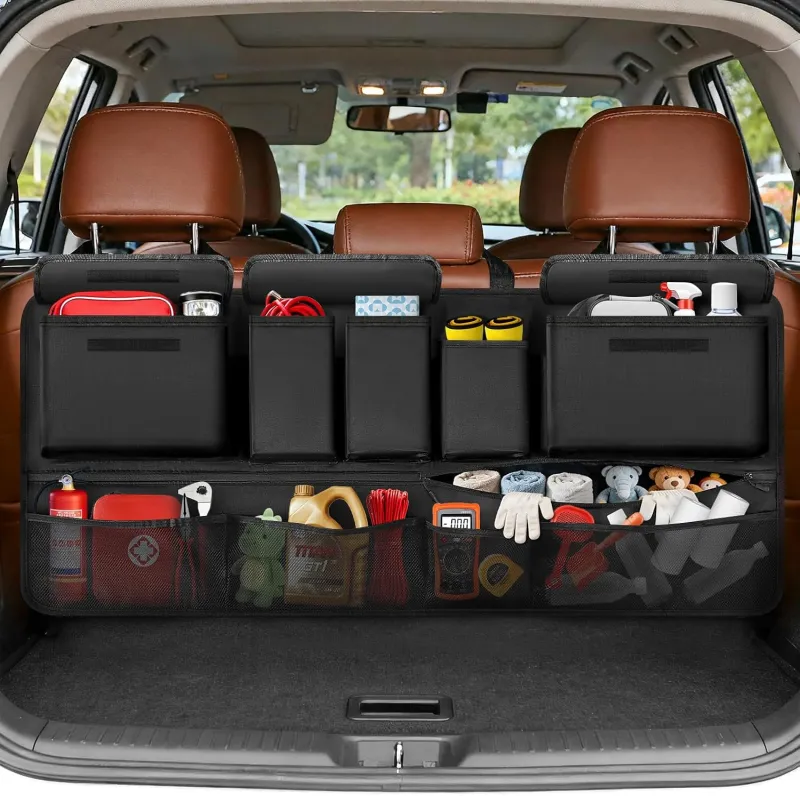
For athletes who want to go all-in on the mobile recovery setup, here's a simple cargo organization system that works in most vehicles:
- Zone 1 (immediately accessible, behind driver seat): Percussion massager, cooling towel, compression socks, water bottle
- Zone 2 (center bin or soft cooler): Ice packs, post-workout nutrition, electrolyte packets
- Zone 3 (rear cargo area): Compression boots with inverter, vibrating roller, resistance bands
Labelmakers and stackable bins from the Container Store or even Amazon Basics keep everything tidy and prevent the "where did I throw that thing" problem that kills most recovery routines.
The Bottom Line
Your car is already part of your athletic life — it takes you to training, to races, to the trails. At AutoFit, we think it should be doing more than just transportation. With a modest investment in portable recovery tech and a smart cargo setup, your vehicle becomes an extension of your recovery protocol. And when you're serious about performance, every hour counts — including the ones behind the wheel.