Road Trip Ready: The Ultimate Vehicle Setup for Athletes Who Never Stop Moving
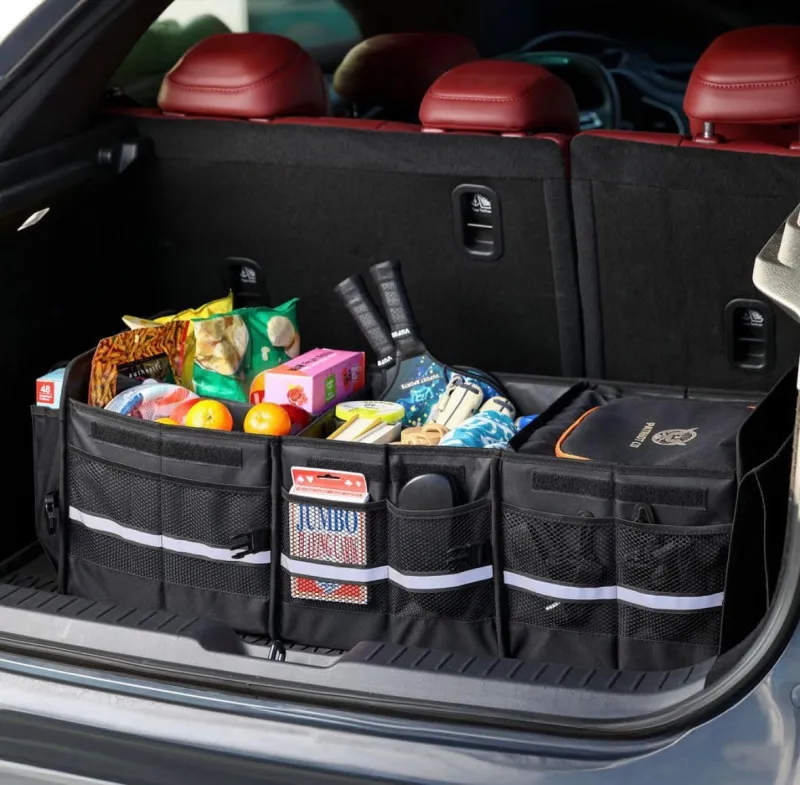
Photo: SUV trunk organized road trip gear fitness equipment cooler, via m.media-amazon.com
There's a certain kind of person who books a 2,000-mile drive and immediately starts thinking about how to keep their squat numbers from tanking. If that sounds like you, welcome home. This one's built for the active driver who refuses to let a cross-country haul become a week-long setback.
Because here's the reality: sitting for six to eight hours a day in a poorly configured vehicle does real damage. Hip flexors lock up. Thoracic mobility tanks. Hydration slips. Sleep quality crashes. By day three of a road trip, you're not just tired — you're moving like you're 20 years older than you are.
But it doesn't have to go down like that. With some intentional gear choices and smart vehicle customization, you can roll into your destination actually feeling like yourself. Here's how to build that setup from the ground up.
Start at the Foundation: Ergonomic Seat Upgrades
Your factory seat was designed for the average person — which means it probably wasn't designed for you. If you're a serious athlete with any kind of training history, you likely have specific areas of tightness or imbalance that a standard seat will absolutely exploit over a long drive.
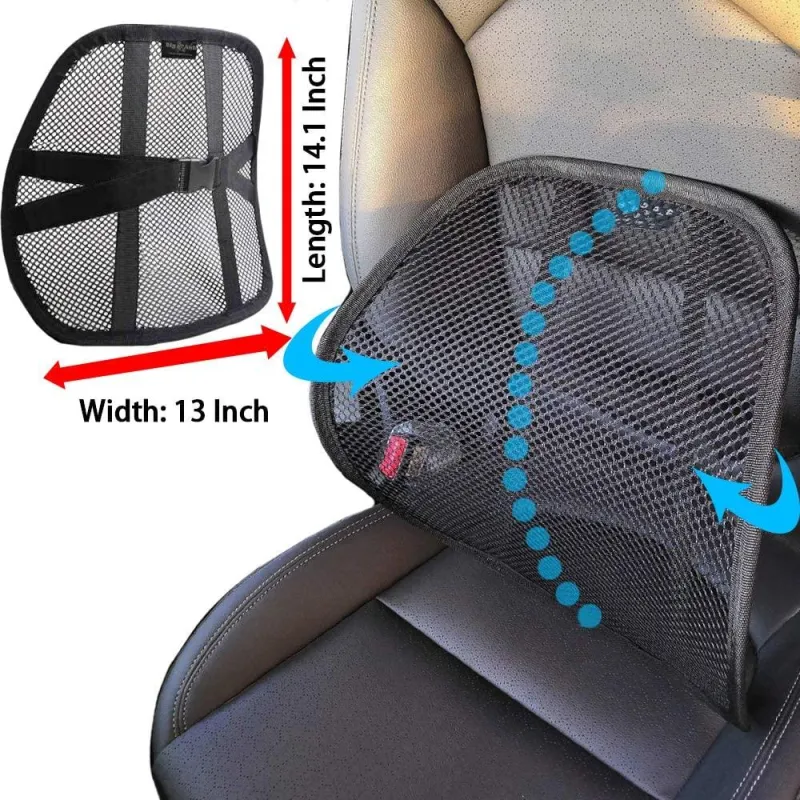
The first upgrade worth making is a lumbar support cushion designed for active users. Look for options with adjustable pressure zones rather than a fixed foam insert — your lumbar curve changes throughout a long day of driving, and a static cushion stops helping after hour two. Brands like Xtreme Comforts and Everlasting Comfort make well-reviewed options that sit in the $30–$60 range and make a genuinely noticeable difference.
If you're doing serious mileage regularly, consider a seat cushion with a coccyx cutout. This takes pressure off the tailbone and reduces the kind of compressive fatigue that leaves your hips feeling wrecked after a full day behind the wheel.
For trucks and SUVs with bench seating, aftermarket sport-bolstered seat covers from brands like Covercraft or Katzkin can add lateral support that your stock setup is sorely missing.
The Compact Workout Kit: Fitness in Tight Spaces
You're not going to replicate a full training session out of your trunk, and that's fine. The goal on a road trip isn't to maintain peak performance — it's to preserve mobility, blood flow, and enough muscle activation to keep your body from completely shutting down.
Here's what fits and actually gets used:
- Resistance bands: The undisputed champion of road trip fitness. A set of loop bands and a couple of long resistance bands take up almost zero space and cover everything from hip activation to shoulder mobility work. Get a small zippered bag and keep them accessible in the back seat.
- Lacrosse ball or massage ball: For trigger point work at rest stops. Roll out your glutes, your thoracic spine against a wall, the arch of your foot. Five minutes of this at every gas station stop makes a measurable difference by day's end.
- A travel foam roller: Half-length foam rollers (12–18 inches) fit easily in most trunks. Use it at hotel stops and rest area grass patches. Your IT band will thank you.
- Jump rope: Weighs nothing, takes up no space, and gives you a cardio burst at any rest stop with a flat surface. Three minutes of jump rope gets your heart rate up and shakes the stiffness out faster than a walk around the parking lot.
Set a rule for yourself: every fuel stop is a movement stop. Even five minutes of walking, banding, or dynamic stretching resets circulation and keeps your body from going into full hibernation mode.
Hydration and Nutrition Systems That Actually Work in a Car
Dehydration is sneaky on road trips. You're not sweating visibly, you're not exerting yourself, and you're probably trying to minimize bathroom stops — so you unconsciously drink less. But even mild dehydration impairs cognitive function and reaction time, which is the last thing you want at highway speeds.
The solution isn't just throwing a water bottle in the cupholder. It's building a system.
Insulated hydration jugs like the Hydro Flask 40 oz or Yeti Rambler keep water cold for hours and hold enough volume that you're not constantly refilling. Pair it with a cupholder expander if your vehicle's stock cupholders are too small (a common issue in older cars and trucks).
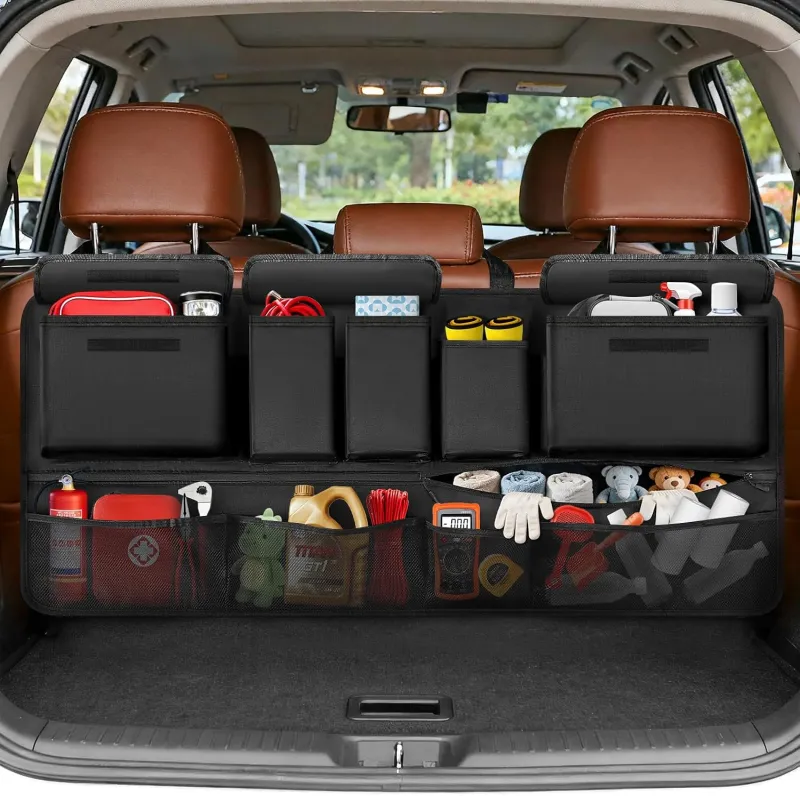
For nutrition, ditch the gas station snack strategy. Build a soft-sided cooler bag that rides on the back seat floor and stock it before you leave. Think: hard-boiled eggs, string cheese, pre-portioned trail mix, apple slices, and protein bars you actually like. This isn't glamorous, but it keeps your blood sugar stable and your energy consistent — which means less fatigue and better driving decisions.
A 12V car cooler (Iceco and BougeRV make solid options in the $100–$200 range) is worth the investment if you're doing multi-day trips regularly. It plugs into your accessory outlet and keeps food genuinely cold without ice.
Sleep Optimization for Rest Day Stops
If your road trip involves overnight stops — whether at hotels, campgrounds, or in the vehicle itself — sleep quality becomes a performance variable, not just a comfort preference.
For in-car sleeping (common among overlanders and budget road trippers), a custom-fit sleeping platform or a quality air mattress sized for your cargo area can be a game-changer. SUV and truck owners have a real advantage here. Measure your cargo floor dimensions and find a mattress that actually fits flat — even a slight angle wrecks your sleep quality over a full night.
A blackout window shade kit (brand EzyShade makes vehicle-specific kits for most popular models) blocks ambient light and adds a layer of privacy that makes car sleeping significantly more viable.
For hotel nights, pack a travel pillow that actually supports your neck — not the inflatable horseshoe kind. The Trtl Travel Pillow and the Cabeau Evolution Classic are both compact and genuinely functional for side and back sleepers.
Tech That Tracks Your Wellness on the Move
Just because you're in the car doesn't mean your fitness data has to go dark. A few smart tech choices keep you dialed into your wellness metrics even when you're racking up miles instead of reps.
- Wearable HRV monitors (Garmin, WHOOP, or Oura Ring) give you recovery data that's actually useful on a road trip. If your HRV is tanking, that's a signal to prioritize sleep quality and stretch time at the next stop — not push through.
- A phone mount with wireless charging keeps your device powered and visible without turning your center console into a fumbling hazard zone. Anker and iOttie make reliable options for most vehicles.
- Dash cams with driver monitoring features — newer models from Garmin and Nextbase include fatigue alerts that detect head drooping or lane drift. Useful insurance for long solo drives.
The Full Setup, In Summary
You don't have to choose between a great road trip and staying true to your active lifestyle. The right vehicle setup — ergonomic seating, a compact mobility kit, smart nutrition, solid sleep gear, and strategic tech — turns your car into something closer to a rolling performance hub than a sedentary box on wheels.
At AutoFit, that's exactly the kind of driving life we're here for. Build it right, pack it smart, and drive like the athlete you are.