Peak Windows and Prep Cycles: What Track Day Prep Shares With Marathon Training
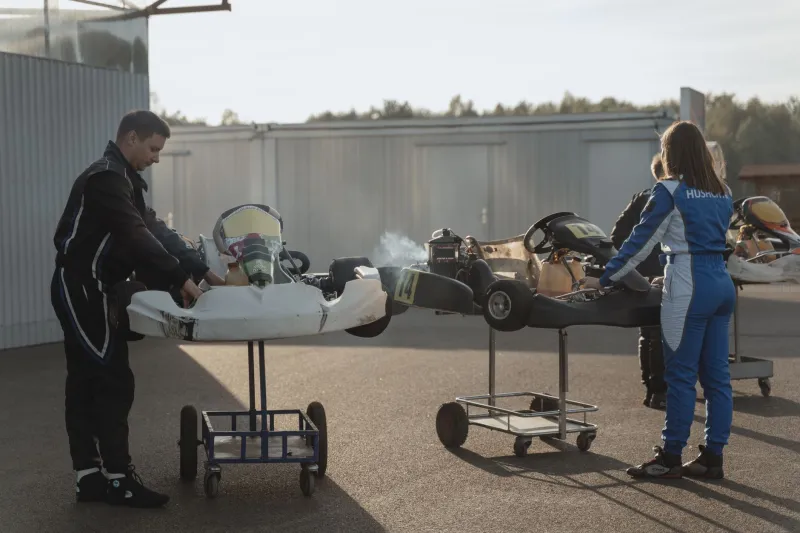
Most people draw a hard line between motorsport and endurance athletics. One involves a machine doing the heavy lifting; the other is pure human output. But spend five minutes talking to a serious track day driver and a marathon runner about how they prepare, and you'll notice something strange — they're basically describing the same process with different vocabulary.
This isn't coincidence. It's periodization. And once you see it, you can't unsee it.
The 90-Minute Framework Both Camps Live By
In endurance running circles, the 90-minute threshold is sacred. It's roughly the ceiling for glycogen-fueled performance before the body starts making expensive metabolic decisions. Coaches structure long runs, tempo sessions, and race simulations around this window with surgical precision.
Track day drivers operate inside a nearly identical time constraint — not because of glycogen, but because of concentration fatigue, tire degradation, and heat buildup in both the car and the pilot. A typical HPDE (High Performance Driving Event) session runs 20 to 25 minutes, with drivers often completing three to four stints across a full day. The cumulative cognitive load? You're looking at sustained focus intervals that, back-to-back, total somewhere between 90 minutes and two hours of genuine high-intensity mental output.
Both athletes are managing performance inside the same biological window. The tools differ. The demand doesn't.
Periodization: The Engine Under Both Programs
Marathon training follows a periodization model — base phase, build phase, peak phase, taper. Each block has a specific physiological purpose. You're not just logging miles; you're sequencing stress and recovery to arrive at race day in the sharpest possible condition.
Track preparation follows the exact same architecture, even if most drivers don't label it that way.
Base phase: This is your seat time accumulation. Street miles, autocross events, sim racing sessions. You're building foundational car control and spatial awareness the same way a runner builds aerobic base — volume over intensity.
Build phase: Here's where you introduce specific stress. Braking drills, threshold exercises, late-apex work on technical sections. A runner doing 400-meter repeats and a driver hammering the same chicane sequence twenty times in a session are doing the same thing — isolating a performance variable and applying targeted overload.
Peak phase: Both athletes sharpen, not add. The runner drops mileage and focuses on race-pace runs. The driver reduces experimental laps and commits to consistent, clean execution. The goal in both cases is precision, not progress.
Taper: Marathon runners taper for two to three weeks before race day. Track drivers — the smart ones — do a version of this too. Less physical training in the week before an event, more mental visualization, more sleep, more attention to nutrition. The body needs to show up fresh, whether it's crossing a finish line or threading through Turn 3.
Data Analytics: The Language Both Athletes Now Speak
Five years ago, data analysis in amateur motorsport meant reviewing a GoPro and guessing where you lost time. Today, affordable AiM, Garmin, and Harry's LapTimer setups give weekend track warriors the same telemetry feedback that pro teams use — throttle position, brake pressure, lateral G-forces, corner entry speed.
Marathon runners have made a similar leap. GPS watches, heart rate variability monitors, lactate threshold testing, and platforms like TrainingPeaks or Garmin Connect have turned recreational runners into data-fluent athletes who can pinpoint exactly where their race fell apart.
The analytical mindset is identical. You're looking for the gap between what you thought you did and what the data says you actually did. In both disciplines, ego is the enemy of improvement, and numbers are the antidote.
Managing the Mental Load
Here's where the parallel gets genuinely interesting: both activities demand a specific cognitive state that sports psychologists sometimes call flow — full immersion, automatic execution, minimal conscious interference.
Runners chase this on long training runs. Drivers chase it through a clean lap. Both report the same phenomenology: time distortion, heightened sensory awareness, a feeling of effortless competence that's paradoxically achieved through enormous effort.
Both communities have also arrived at the same mental prep tools: visualization, breath control, pre-performance routines, and the deliberate management of arousal levels. A driver who's too amped up will over-drive. A runner who's too anxious will go out too hot. The solution in both cases is the same — structured, repeatable pre-event protocols that dial arousal into the optimal zone.
The Practical Takeaway for Driver-Athletes
If you're already training for endurance events, you have a structural advantage most track day participants don't: you already think in training cycles. Apply that thinking to your track prep and watch your lap times drop.
Conversely, if you're a serious track enthusiast who's curious about endurance sports, you're not starting from zero. The discipline, the data literacy, and the periodization instincts you've developed behind the wheel transfer directly.
The 90-minute rule applies in both worlds. So does the principle that peak performance isn't about doing more — it's about doing the right things at the right time, then showing up ready.
The blueprint was always the same. You just needed someone to point it out.