Glove Box to Gains: The Compact Recovery Arsenal Every Active Driver Needs
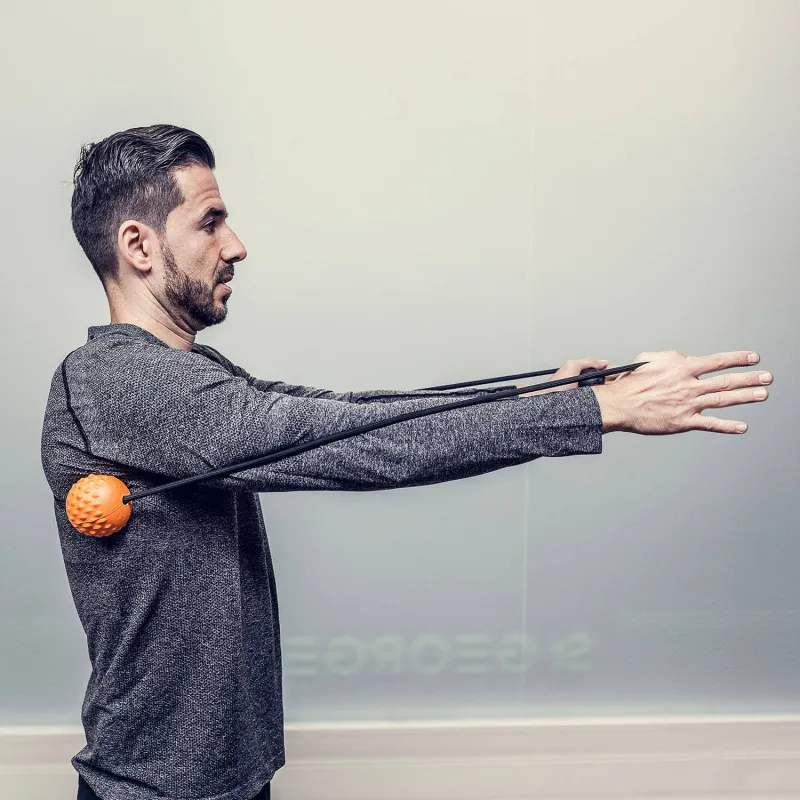
Photo: compact fitness recovery tools massage ball resistance bands in car, via activelifeusa.com
You trained hard all week. You're fueled up, bags are packed, and you're logging serious miles on the interstate. But somewhere around hour three, your hamstrings start screaming, your lower back feels like a clenched fist, and that Saturday morning workout feels like ancient history.
Here's the thing: the road doesn't have to undo your progress. With the right compact recovery gear stashed in your vehicle, you can stay loose, reduce soreness, and walk out of your car feeling like an athlete — not a pretzel.
We tapped physical therapists and road-tested a bunch of products so you don't have to guess what's worth the trunk space (or glove box real estate).
Why Recovery on the Road Actually Matters
Sitting is, unfortunately, one of the worst things you can do to a trained body. Prolonged hip flexion tightens the psoas and hip flexors, compresses the lumbar spine, and cuts circulation to the legs. For athletes — runners, cyclists, gym regulars — this isn't just uncomfortable. It can set back recovery by 24 to 48 hours.
"I see it constantly with patients who travel frequently," says Dr. Mara Sutton, a licensed physical therapist based in Austin, Texas. "They train well, eat right, and then spend six hours in a car with zero movement. Muscle stiffness becomes chronic inflammation if you're not proactive about it."
The fix isn't complicated. It's about having the right tools within arm's reach.
The Must-Have Compact Recovery Kit
1. Mini Massage Ball (The MVP of Small Spaces)
A standard foam roller isn't fitting in your center console. But a lacrosse ball or a dedicated massage ball — like the TriggerPoint MB1 or the Kieba Massage Ball — absolutely will. These little guys are magic for targeting the glutes, upper traps, and the soles of your feet.
Pro tip from Dr. Sutton: "Roll the ball under your foot while you're parked at a rest stop. It stimulates the plantar fascia and actually helps relieve lower back tension through the kinetic chain."
Cost: $10–$20. Takes up roughly the same space as a tennis ball. Zero excuse not to have one.
2. Compact Resistance Bands
Loop bands and flat resistance bands fold down to nearly nothing. Brands like Perform Better and Serious Steel make sets that fit in a sandwich bag. Use them at rest stops for banded hip circles, glute activation, and shoulder mobility work — all things that counteract the tightening effects of long drives.
Bonus: They double as a warmup tool if you're heading straight from the car to a trailhead or gym.
3. Travel Foam Roller (Yes, They Exist)
Full-size foam rollers are obviously a no-go for in-car storage, but half-rollers and collapsible options have come a long way. The TriggerPoint GRID Travel Roller is about 12 inches long and fits neatly behind a seat or in a duffel. It's not the same as your 36-inch roller at home, but it handles IT bands and thoracic spine work surprisingly well.
4. Percussion Massager — Compact Version
Full-size Theraguns are great, but they're not exactly road-friendly. The Theragun Mini or Hyperice Hypervolt Go 2 fit in a small bag and deliver serious percussive therapy. Pop one in your gym bag and it's automatically in your car. These are particularly clutch for calves and the upper back after a long haul.
5. Topical Recovery Cream or Roll-On
Something like Biofreeze or Penetrex fits in any door pocket and offers real relief for tight muscles between stops. Not a cure-all, but a solid bridge until you can get to a proper recovery session.
DIY Storage Hacks to Keep It All Organized
Having the gear is half the battle. The other half is not letting it turn into a pile of rubber bands and mystery balls rolling around under your seat.
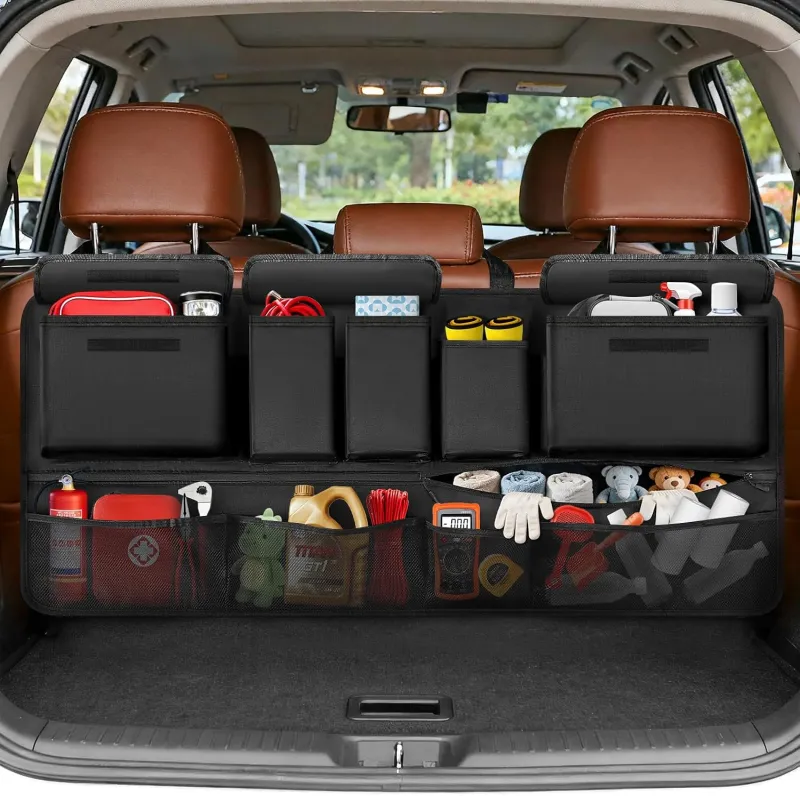
The Seat-Back Organizer Hack: A simple car seat organizer with multiple pockets (you can grab one on Amazon for under $20) keeps bands, balls, and roll-ons sorted and visible. Hang it on the back of the passenger seat and you've got a mobile recovery station.
The Mesh Bag Method: A small drawstring mesh laundry bag works surprisingly well. Toss your recovery tools in, cinch it, and it sits cleanly in any bag or behind a seat.
The Center Console Audit: Be honest about what's actually in your center console right now. Old receipts, charging cables, mystery coins? Clear it out and dedicate one layer to your recovery kit. A massage ball and a tube of topical cream take up almost no room.
Rest Stop Routines That Take Under 10 Minutes
Gear means nothing without action. Here's a quick protocol Dr. Sutton recommends for every 2–3 hour stop:
- Hip flexor stretch — Step out of the car, drop into a lunge, hold 45 seconds each side
- Thoracic rotation — Stand with feet shoulder-width, rotate your torso side to side for 30 seconds
- Glute activation with band — Loop a resistance band above the knees, do 15 lateral walks each direction
- Foot rolling — 60 seconds per foot on the massage ball
- Shoulder circles and neck rolls — 30 seconds, just to reset the upper body
Total time: about 8 minutes. The difference it makes over a 10-hour road trip is significant.
The Bottom Line
You invest time, money, and discipline into your fitness. Don't let long drives silently chip away at that work. A compact recovery kit in your vehicle isn't an extra — it's part of the lifestyle. Keep it stocked, use it consistently, and your body will thank you every time you roll into your destination feeling like you actually took care of yourself.
Drive hard. Live fit. And maybe stretch at the next rest stop.