Road-Ready Nutrition: How to Eat Like an Athlete When Your Office Has Four Wheels
Let's be honest: the drive-through wins when there's no plan. You're hungry, you're moving, and a gas station burrito starts looking like a reasonable life choice somewhere around hour two on the highway. We've all been there.
But if you're serious about your training — and serious about how you feel behind the wheel — your car's nutrition setup deserves the same attention you give your gym bag. Here's how to build it out right.
Why In-Car Nutrition Is a Performance Issue, Not Just a Convenience One
Blood sugar fluctuations don't just make you cranky. They impair reaction time, reduce focus, and create the kind of mental fog that's genuinely dangerous at highway speeds. For athletes, there's the added layer of muscle recovery — especially if you're driving to or from a training session.
A 2019 study published in the Journal of the International Society of Sports Nutrition reinforced what most coaches already know: nutrient timing matters. Skipping your post-workout window because you got stuck in traffic isn't a neutral event. It's a missed recovery opportunity that accumulates across weeks and months.
The solution isn't eating more. It's eating smarter, with a system that travels with you.
Step 1: Build Your In-Car Cooler Setup
The foundation of road nutrition is cold storage. A soft-sided insulated cooler that fits behind the passenger seat or in the back footwell is your baseline. You're not tailgating — you don't need a 60-quart monster. A 20–25 liter soft cooler does the job for a day's worth of meals and snacks without taking over your vehicle.
Top picks worth considering:
- YETI Hopper Flip 18: Pricier, but genuinely keeps things cold for 24+ hours and holds up to daily use. Fits cleanly in most back seat footwells.
- Hydro Flask Day Escape Soft Cooler: Slightly more flexible form factor, great for fitting around gym bags and gear.
- Coleman Soft Cooler 30-Can: Budget-friendly option that works well for daily commuters who aren't doing overnight hauls.
For temperature-sensitive items like Greek yogurt, pre-cooked chicken, or protein shakes, an ice pack or two at the bottom keeps things food-safe for a full workday.
Step 2: The Athlete's Road Snack Stack
Not all snacks are road-friendly. Anything that requires two hands, generates crumbs, or has a high mess potential is a liability in the car. Here's what actually works:
High-protein, low-mess options:
- Hard-boiled eggs (pre-peeled, in a small container) — easy, portable, zero prep at the wheel
- String cheese or Babybel rounds — individually wrapped, no utensils required
- Jerky (beef, turkey, or salmon) — look for low-sodium versions; Epic and Chomps make solid options without the junk ingredients
- Pre-portioned nuts — almonds, cashews, or mixed nuts in small zip bags; avoid anything coated that'll leave residue on your wheel
- Protein bars — RXBARs and EPIC bars hold up well in heat without melting; avoid chocolate-heavy bars in summer unless they're in the cooler
Carb sources that travel well:
- Rice cakes with individually portioned almond butter packets
- Whole fruit (bananas, apples, clementines — anything peel-able without a knife)
- Overnight oats in a sealed mason jar or Hydro Flask food flask if you're eating during a parked break
Step 3: Meal Prep Hacks Specifically for Drivers
Meal prepping for the road has a few unique constraints that kitchen-focused prep guides miss. Here's what actually matters when your dining room has a steering column:
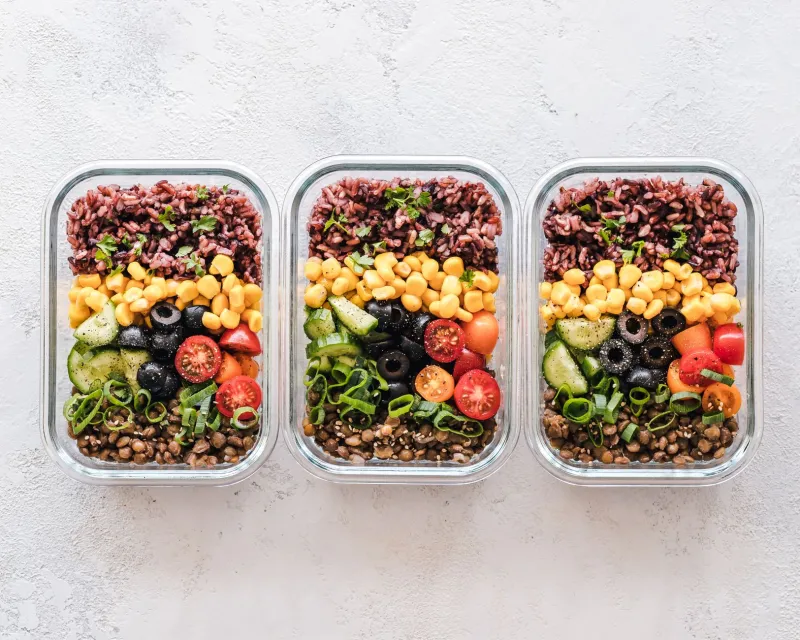
Batch cook your proteins on Sunday. Grilled chicken thighs, hard-boiled eggs, and pre-portioned ground turkey all hold for 4–5 days in the fridge and pack cleanly into containers. Thighs over breasts for road trips — they reheat better and stay moist even when eaten cold.
Use single-serve containers religiously. Portioning everything before it goes in the cooler means you're never digging around a large container while driving. Small Rubbermaid or Prep Naturals containers in 2–4 oz sizes are your friends here.
Pre-mix your shakes at home. If you're a protein shake person, blend it before you leave and store it in a Hydro Flask or Blender Bottle in your cooler. Trying to mix a shake in a moving vehicle is exactly as chaotic as it sounds.
Tape a snack caddy to your center console. Seriously — a small organizer tray that holds your dry snacks (bars, nuts, jerky) right at arm's reach means you're never rummaging through a bag at 70 mph. It's a $12 upgrade that changes your entire in-car eating experience.
Step 4: Timing Your Intake Around Drive Windows
For daily commuters, the timing math is pretty straightforward:
- Pre-commute (morning): Don't skip breakfast hoping to eat at the office. A quick 30g protein hit before you get in the car — eggs, a shake, Greek yogurt — sets your blood sugar up for a sharper, more focused drive.
- Mid-commute snack: For drives over 45 minutes, a small snack around the halfway point keeps energy steady. A handful of nuts or a protein bar is enough.
- Post-training drive: This is your recovery window. Aim for 25–40g protein within 30–45 minutes of finishing your workout, even if that means eating in the car before you drive. A shake or pre-packed chicken and rice container works perfectly here.
For long hauls — road trips, multi-hour drives — treat it like you would a game day. Eat every 2–3 hours, prioritize whole foods over processed convenience items where possible, and stay aggressively hydrated. Dehydration degrades cognitive performance faster than almost anything else, and it's the most common nutrition mistake drivers make.
The Gear Checklist
Here's your quick-reference setup list for the athletically optimized vehicle kitchen:
- ✅ 20–25L soft-sided insulated cooler
- ✅ 2–3 reusable ice packs
- ✅ Small single-serve food containers (8–10 of them)
- ✅ Center console snack caddy or organizer
- ✅ Insulated water bottle (minimum 32 oz)
- ✅ Blender bottle or shaker cup
- ✅ Dry snack stash (bars, jerky, nuts)
- ✅ Utensil kit in glove box (fork, spoon, napkins)
The drive-through isn't going anywhere. But with a five-minute Sunday prep habit and the right gear in your vehicle, it stops being the default — and your performance stops paying the price for it.